
Your supplier misses a delivery. Production scrambles. Someone upstairs asks why a core ingredient has only one source, and by the end of the quarter you've onboarded a second one.
Six months later, QA is flagging batch variance. R&D has reopened a formula that was already locked. Someone in regulatory wants to know why the ingredient statement changed.
The backup plan created a lot of work and removed very little risk.
With sea salt, that outcome usually comes down to a mismatch between the problem and the fix.
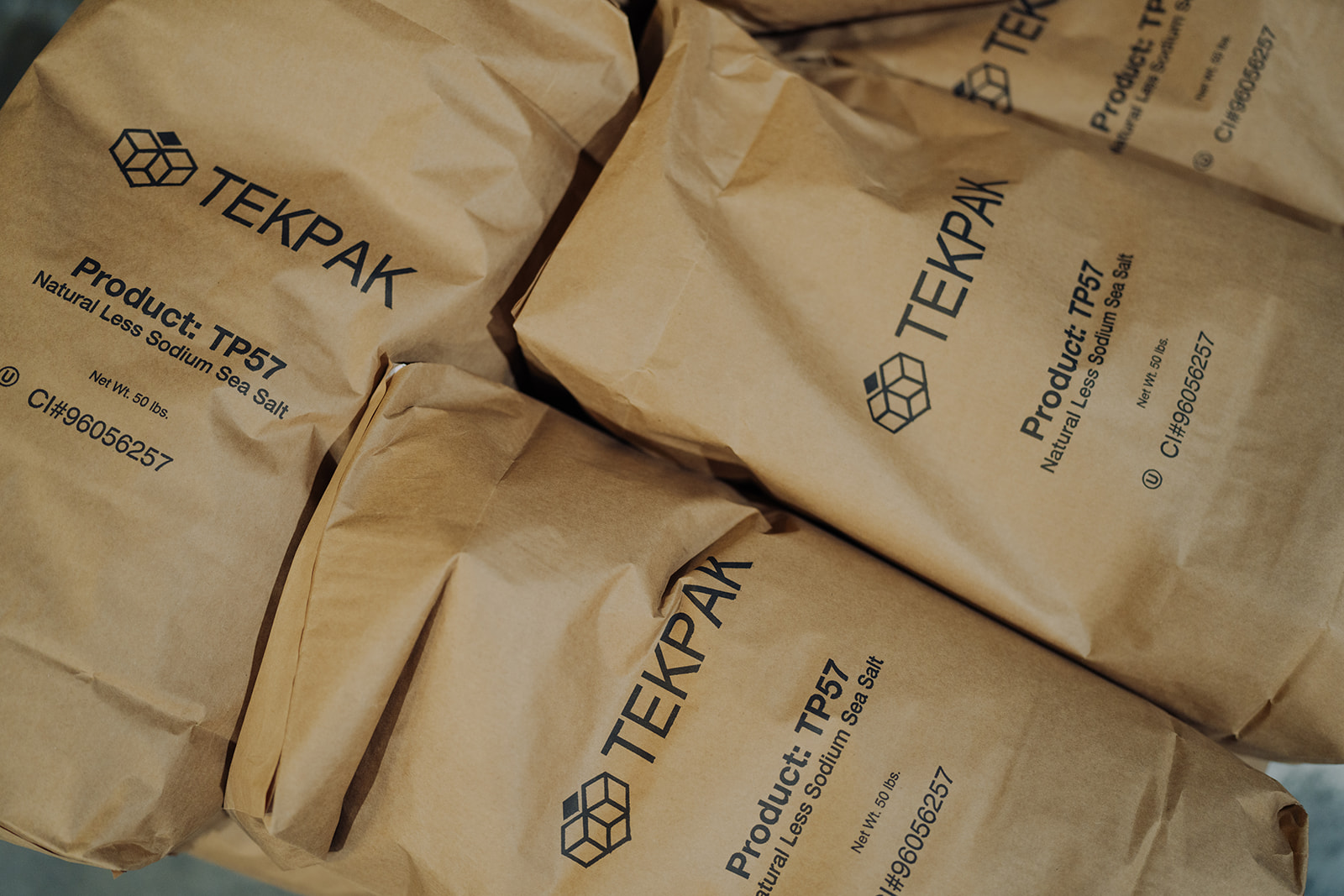
A second supplier is a second spec, a second certificate package, and a second set of QA hours.
What Dual Sourcing Actually Protects You From
Two different things get called multi-source.
Source redundancy is about where the salt comes from. The geography, the harvest method, the mineral profile, the additives.
Supplier redundancy is about who you buy from. The contract, the shipping lane, the inventory position, the person who picks up the phone when something goes wrong.
Buying from two suppliers only reduces your risk if the second one fails differently than the first. Otherwise you've added a vendor and kept the exposure.
Say your last disruption happened because your supplier oversold their inventory. A second supplier who buys from that same upstream producer won't stop it from happening again. You'll just get the bad news from two places.
So before you add anyone, name the failure you're guarding against. A supplier who communicates badly is a different problem than a region that floods.
Two Sea Salts Can Share a Name and Almost Nothing Else
Salt sold as sea salt reaches the market from very different sources, and those products can read identically on an ingredient statement while behaving differently in your process.

Crystal size, dissolve rate, and mineral profile can differ sharply between two products that read the same on a label.
That matters on the floor. A seasoning blend you've already validated may need reformulation. A fill line dialed in for one crystal size may start running slow or short. Dissolve rate can shift, and so can the flavor your customers already recognize.
So a second sea salt supplier often means you've added a second ingredient rather than a second lane to the same one.
The Costs Nobody Puts in the Price Comparison
- Additives. Some salts carry an anticaking agent and some don't. Yellow prussiate of soda, also called sodium ferrocyanide, is permitted in salt at up to 13 parts per million. Other salts use a different agent, or none at all. If your current spec excludes anticaking agents and your backup includes one, that's a label change and possibly a flat rejection.
- Requalification. New spec sheet, new certificates of analysis, new certification package, new supplier audit, new sensory work. Those hours don't come from procurement's budget. They come from QA and R&D.
- Position. This is the one that surprises people. Splitting your volume in half makes you a smaller account at two companies. When supply tightens and somebody has to be allocated, the buyer taking half as much moves down the list. A strategy meant to protect you during a shortage can weaken you during one.
When a Single Sea Salt Supplier Is the Stronger Choice
Consolidation holds up well under a few conditions. Your product is sensitive to origin. Your supplier keeps real inventory in North America. They tell you the truth about their position when you ask. And one company stays accountable when something goes wrong, which matters more during a bad week than it sounds like it should.
That inventory point deserves a sharper question than the one most teams ask.
Lead time is a quote. Inventory is reality.
Ask how many pounds of your spec are sitting in a domestic warehouse right now, and what that number looks like if the next shipment runs late. A supplier shipping from stock can answer. A supplier shipping from a production schedule is telling you what they hope will happen.
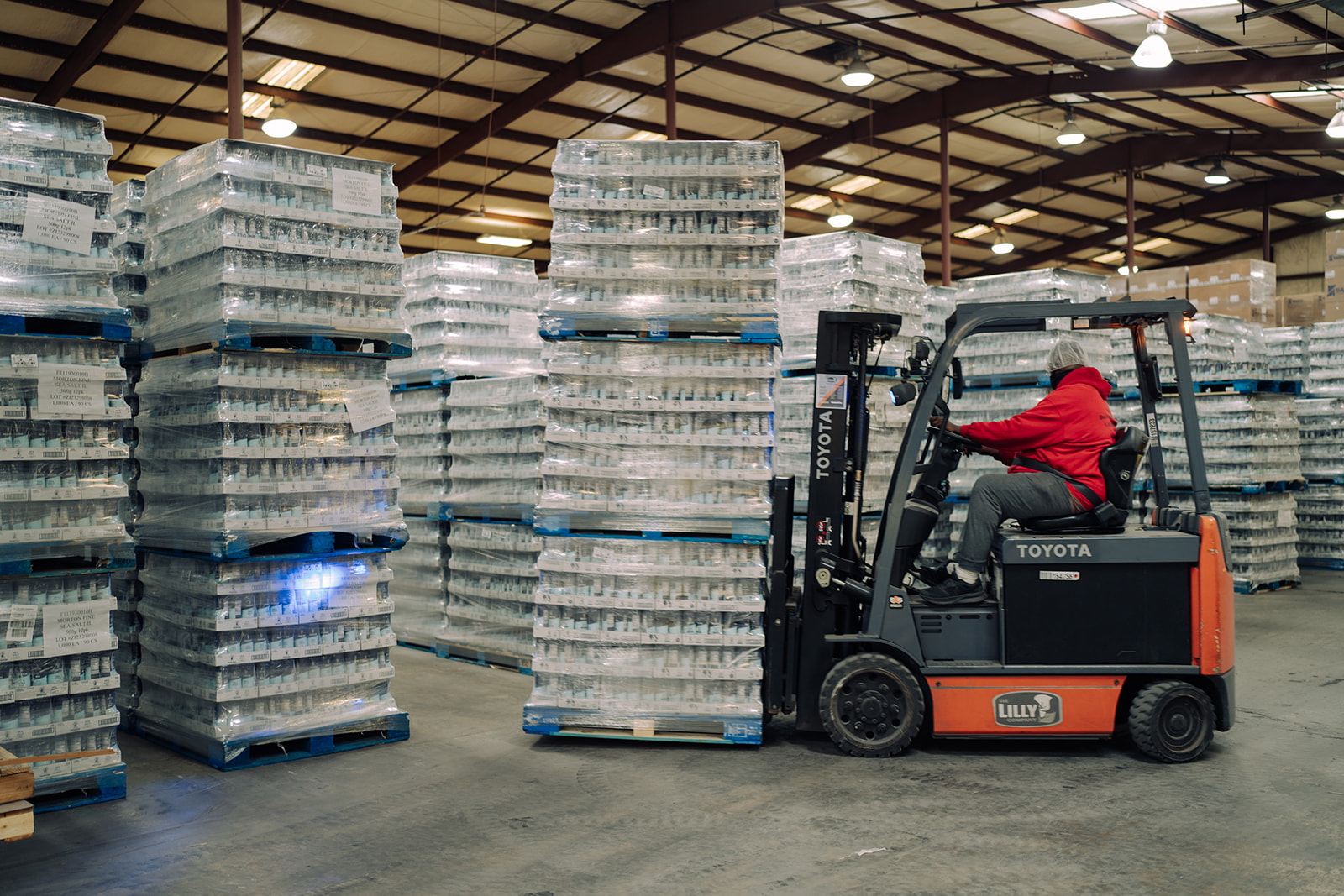
Pounds on a domestic floor answer a question a production schedule cannot.
When Ingredient Supplier Diversification Makes Sense
Sometimes it's the right call. Go multi-source when your volume is too large for one supplier to carry, when a customer contract requires a qualified alternate, or when your supply sits in one region with real climate or political exposure.
If you do it, qualify a backup instead of splitting the business. Ask a candidate what their minimum order is before you assume the alternate has to be expensive. If they'll sell at pallet volume, you can keep that supplier qualified and current for a small ongoing spend. You hold your position with your primary and you still have somewhere to go.
The Supply Risks That Survive Diversification
Some teams diversify and stay exposed anyway. These are worth checking for.
- A supplier who competes with you. Some salt suppliers also sell finished product into the same categories their customers do. When production runs short, their own needs come first. That's how the incentive is built, and it's worth knowing which of your suppliers has it.
- A second supplier quietly reselling your first supplier's material
- Two suppliers pulling from the same origin
- Two suppliers moving product through the same port or lane

One company accountable for the answer is worth more during a bad week than it sounds like on a normal one.
Questions to Ask Before You Change Your Sourcing Strategy
- What am I protecting against, specifically?
- Would a second source have prevented my last disruption?
- Do my two suppliers share an origin, a producer, or a shipping lane?
- Does either one compete with me on the shelf?
- How many pounds of my spec are in North America right now?
- Do both products carry the same additives?
- What will requalification cost in R&D and QA hours?
- If supply tightens, where does my volume rank at each supplier?
Build the Strategy Around the Risk
A sourcing strategy holds when it's built around a specific risk. It gets fragile when it's built around a general feeling that one supplier seems dangerous.
Sometimes the answer is a second supplier. Sometimes it's one supplier with inventory on the floor and the discipline to tell you when something changes. The hard part is making sure the strategy matches the risk you actually have.
Ask us how many pounds are on the floor. TEKPAK stocks sea salt in North America and will tell you our real position when you ask, including when it is tighter than we'd like. If you are weighing a second source or rethinking your first one, we can walk through your spec, your volume, and your options for ingredient sourcing.
Related Resources
- Beyond the Spec Sheet: How to Choose a Sea Salt Supplier You Can Actually Count On
- Grain Size Matters: How to Match Sea Salt Specs to Your Application
- What Your Sea Salt Supplier's Food Safety Audit Score Actually Tells You (And What It Doesn't)
- The Supply Chain Reality: Why Sea Salt Availability Matters More Than Ever
- Sea Salt Ingredient Supply