
Picture this: Your operations manager calls at 7 AM. The warehouse is empty. Your sea salt shipment — the one due at your co-packer tomorrow — isn't coming.
By noon, you're on a conference call with Walmart's buyer explaining why their shelves might go empty.
By 3 PM, you're updating your CEO on the "supply chain incident."
By Friday, you're in meetings about "vendor accountability."
Moments like this are why supplier changes feel so fraught. One decision touches production schedules, retail commitments, and your own reputation all at once.
That pause you feel before making a switch isn't hesitation for its own sake. It comes from knowing exactly how quickly one late shipment can spiral into penalty fees, empty shelves, and lost shelf space that takes months — or years — to recover.
Experienced procurement teams know this dynamic well. Supplier changes carry real risk when they're rushed or poorly planned.
But when handled deliberately, a transition can actually add stability instead of removing it. The difference comes down to process: clear checkpoints, intentional pacing, and enough margin to absorb surprises without breaking commitments.
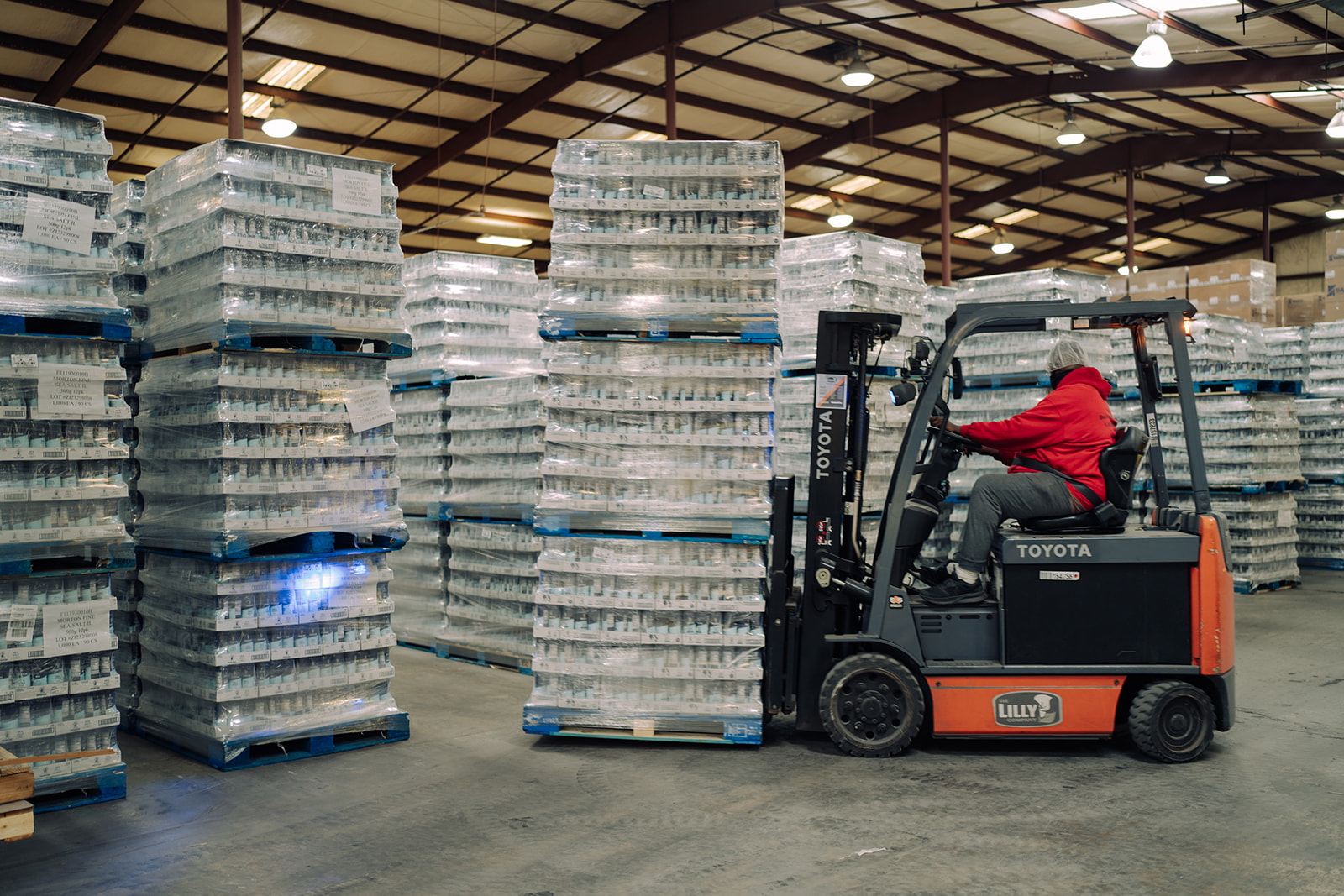
TEKPAK's warehousing operations at the Marion, AL facility — inventory depth that gives incoming customers a buffer while transitions are underway.
Why Teams Delay Switching — and When That Becomes the Bigger Risk
"They're inconsistent, but predictable."
Most procurement managers have thought some version of this. A supplier misses delivery windows, but you've learned their habits. You order earlier than necessary. You pad timelines. You build extra checks into planning. You tell yourself you'll revisit the issue after the launch, after the busy season, after the next retailer review.
Over time, those accommodations stop feeling temporary.
Excess inventory becomes standard. Cash stays tied up in buffer stock. Teams spend hours each week managing issues that shouldn't require attention. Fire drills feel routine. Trust inside the organization erodes quietly, because calling it out means reopening a decision no one wants to touch.
There's an uncomfortable reality behind all of this: supply problems aren't evenly distributed.
Sea salt can be challenging to source, but suppliers with disciplined inventory practices and direct sourcing relationships don't leave customers scrambling every quarter. Reliability shows up in patterns, not promises.
Before making a change — or deciding not to — it helps to get clear about which risks deserve attention and which ones tend to be overstated.
The Real Risks — and the Ones Teams Overestimate
Many teams fixate on the most visible concerns instead of the most consequential ones. Separating the two simplifies decision-making.
The risks that matter most: Gaps during a transition can expose you quickly.
If your last order from Supplier A arrives after you need your first shipment from Supplier B, production pressure builds immediately. Spec mismatches found too late can stop production — even small differences in grain size can affect flow, equipment performance, or how the salt dissolves. And when no one answers the phone, delays multiply fast.
The risks teams tend to overestimate:
- "Different salt will change our product." If grain size, purity, and moisture match, performance stays consistent.
- "We'll have to redo everything." Documentation is usually a one-time task — and often easier than managing constant shortages.
- "A new supplier won't understand our needs." Experienced suppliers onboard new customers all the time. Learning your requirements is part of the job.
When transitions go sideways, the root cause usually isn't the salt. It's coordination — timing, communication, and follow-through — that creates exposure.
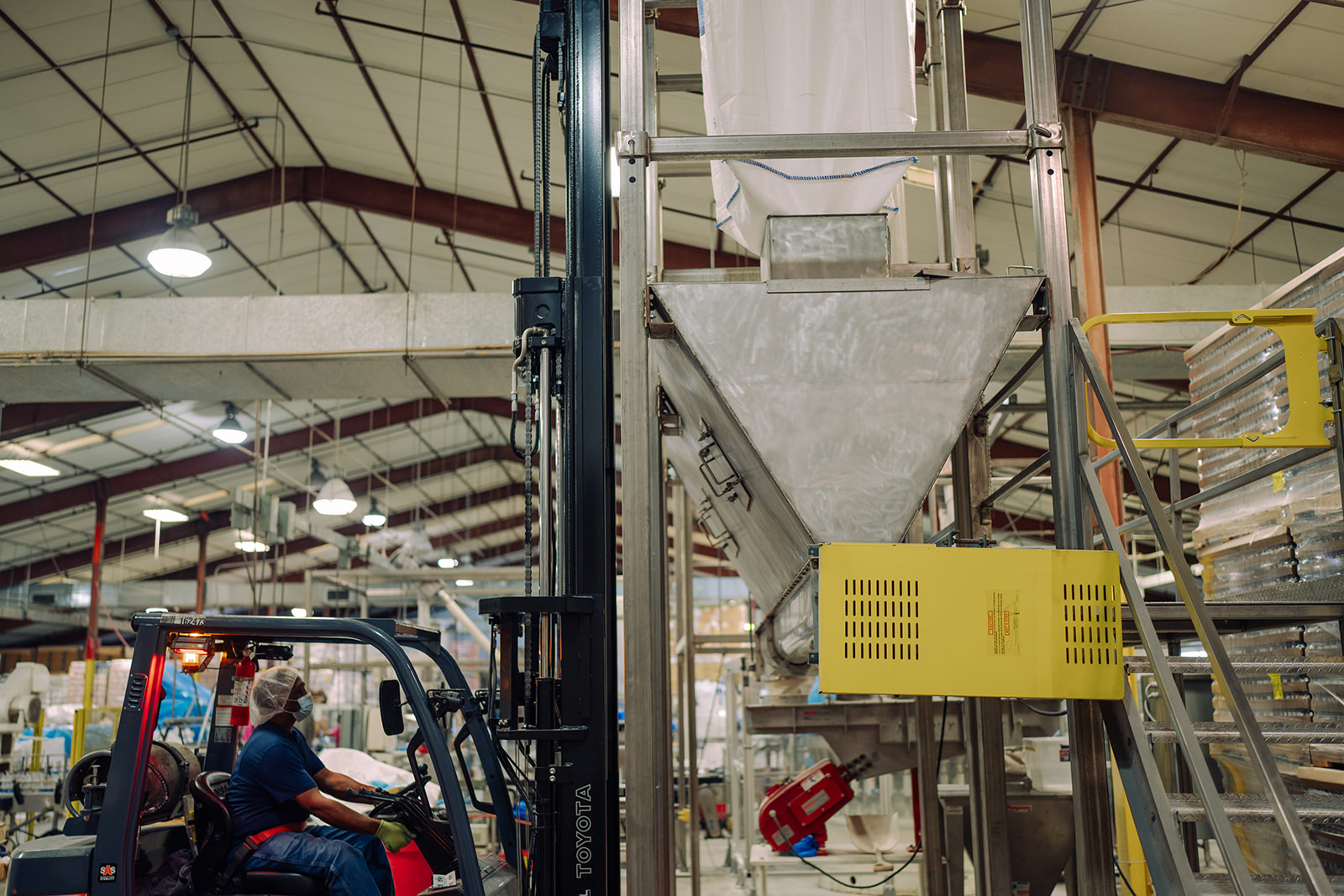
The team at TEKPAK's Marion, AL facility — the kind of communication structure that prevents small delays from becoming big ones.
What a Low-Risk Supplier Transition Actually Involves
Successful transitions prioritize control over speed. The steps themselves aren't complicated, but skipping them creates unnecessary pressure later.
- Step 1: Parallel Validation. Start with a spec review, not a purchase order. Ask for certificates of analysis, food safety certifications, and audit scores. Compare them directly to your current product, down to moisture and grain distribution. At this stage, nothing changes in production. You're just confirming compatibility on paper.
- Step 2: Inventory Overlap Window. Approval of a new supplier should happen while existing inventory is still healthy. Buffer stock removes day-one pressure. You're switching because you planned to, not because you ran out. That difference matters when things get complicated.
- Step 3: Pilot Volume. Test with a small order under real conditions. Make sure the salt runs through equipment correctly. Confirm packaging, handling, and consistency. Run your quality checks and document results. Small tests surface issues while you still have options.
- Step 4: Timeline Transparency. Reliable suppliers are clear about lead times at different volumes. They define escalation paths before problems happen. They give you names and phone numbers, not vague assurances. Every scenario has a plan.
These steps don't eliminate uncertainty entirely, but they keep it contained.
A Phased Transition Model That Protects Deadlines
Rather than fixating on exact timelines, effective teams think in phases.
- Vet. Review specs, confirm availability, and check references — specifically for on-time delivery. Asking how much inventory is typically kept on hand reveals more than asking whether inventory exists at all.
- Validate. Run samples through actual production. Gather documentation and approvals. Get written sign-off from quality and legal teams.
- Overlap. Keep the current supplier active while bringing the new one online. Test logistics and delivery with non-critical shipments first. Overlap provides margin when assumptions meet reality.
- Transition. Phase out the old supplier professionally. Schedule early check-ins and document adjustments for future orders.
By the time shipments move at scale, the riskiest part of the transition should already be behind you.
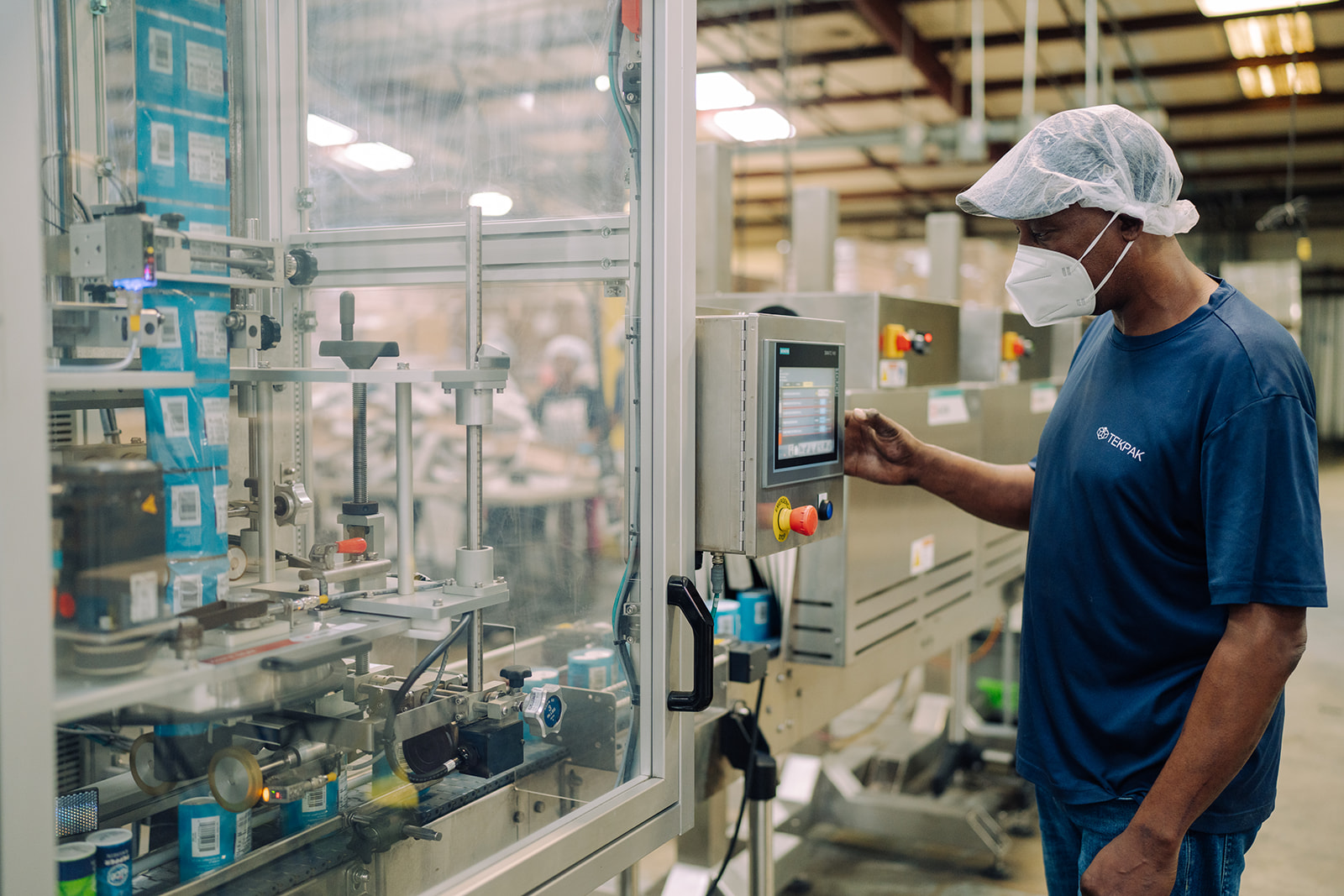
Production operations at TEKPAK's Marion, AL facility — consistent line performance is what makes a new supplier relationship worth the transition effort.
Signals to Pause — No Matter Who the Supplier Is
Some warning signs apply across the board. If you see these during onboarding conversations, slow down.
Listen for: Prompt sharing of BRCGS, SQF, or equivalent scores with context on findings and corrections.
Red flag: Hesitation, delay, or vague references to "ongoing audits." Reluctance around audit documents suggests compliance risk.
Listen for: Specific numbers or ranges, plus a clear explanation of how they manage seasonal fluctuations.
Red flag: Vague answers — "we should have enough," "that won't be an issue" — signal weak inventory controls.
Listen for: A name, a direct number, and a defined escalation path — not a general inbox or support queue.
Red flag: No direct contact for urgent issues leaves your team stranded during a crisis.
Listen for: A clear, practiced answer — early notification, defined alternatives, named contacts.
Red flag: "We'll sort it out as we go" points to improvisation where structure is needed.
Strong suppliers don't push for speed during onboarding. They understand that caution protects both sides and that clarity upfront prevents problems later. Pressure to rush is itself useful information.
When Switching Is Worth It — and When It Isn't
Supplier changes aren't always the right move. Context matters.
Switching makes sense when:
- Availability problems keep repeating
- New launches or reformulations are in the works
- Predictability matters more than familiarity
- Growth has outpaced your current supplier's capacity
It may make less sense when volumes are small, internal timelines aren't well documented, or you're mid-launch with no buffer stock.
Being honest about readiness isn't indecision. It's part of managing risk well.

The team at TEKPAK's Marion, AL facility — built to onboard new customers carefully, not just quickly.
Considering a Switch? Start Here.
Staying with an unreliable supplier is still a decision. Every late shipment you accept, every workaround you normalize, every unresolved issue carries risk.
Successful supplier switches happen every day. They work because teams plan carefully and create margin before pressure arrives. The difference between a smooth handoff and a crisis usually traces back to preparation.
If you're weighing your options, clarity comes first. Share your specs and ship windows with TEKPAK, and we'll map out what a safe transition could look like for your operation.
The bigger risk usually isn't change itself. It's assuming the current situation will somehow fix itself.
Ready to map out a safe transition? TEKPAK works with procurement and QA teams to confirm specs, validate compatibility, and plan a phased handoff that protects your production calendar. Learn more about TEKPAK's sea salt supply or reach out directly.
Related Resources
- The Supply Chain Reality: Why Sea Salt Availability Matters More Than Ever
- Beyond the Spec Sheet: How to Choose a Sea Salt Supplier You Can Actually Count On
- Inside an AA-Rated Food Facility: What TEKPAK's Safety Score Means for Your Brand
- Dead Sea Salt — Ingredient Supply
- Warehousing & Distribution