
A few years ago, ingredient sourcing was simple. You called your supplier, placed an order, and the shipment arrived on time.
Today? It’s like playing chess while the board keeps moving.
Whether you’re reformulating for clean labels or managing production for a national launch, your salt supply is more critical — and more fragile — than it used to be. If you’re not asking tough questions about availability, you’re already behind.
Here’s what’s really happening with sea salt sourcing, and how smart procurement teams are staying ahead of the chaos.
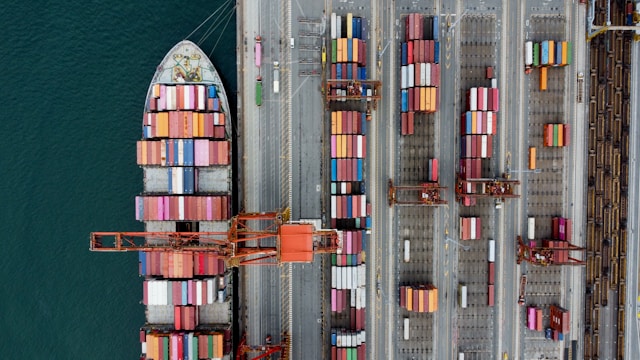
What's Really Happening in Food Supply Chains
Supply chain disruptions used to be rare. Now they’re Tuesday.
Before COVID-19, companies typically faced disruptions lasting one to two months every 3.7 years, according to McKinsey.
Today, that timeline has collapsed. In the last two years alone:
- 73% of food and beverage leaders reported supply chain losses
- 40% of companies ranked disruptions as a top internal risk
In other words, disruption isn’t the exception anymore. It’s the rule.
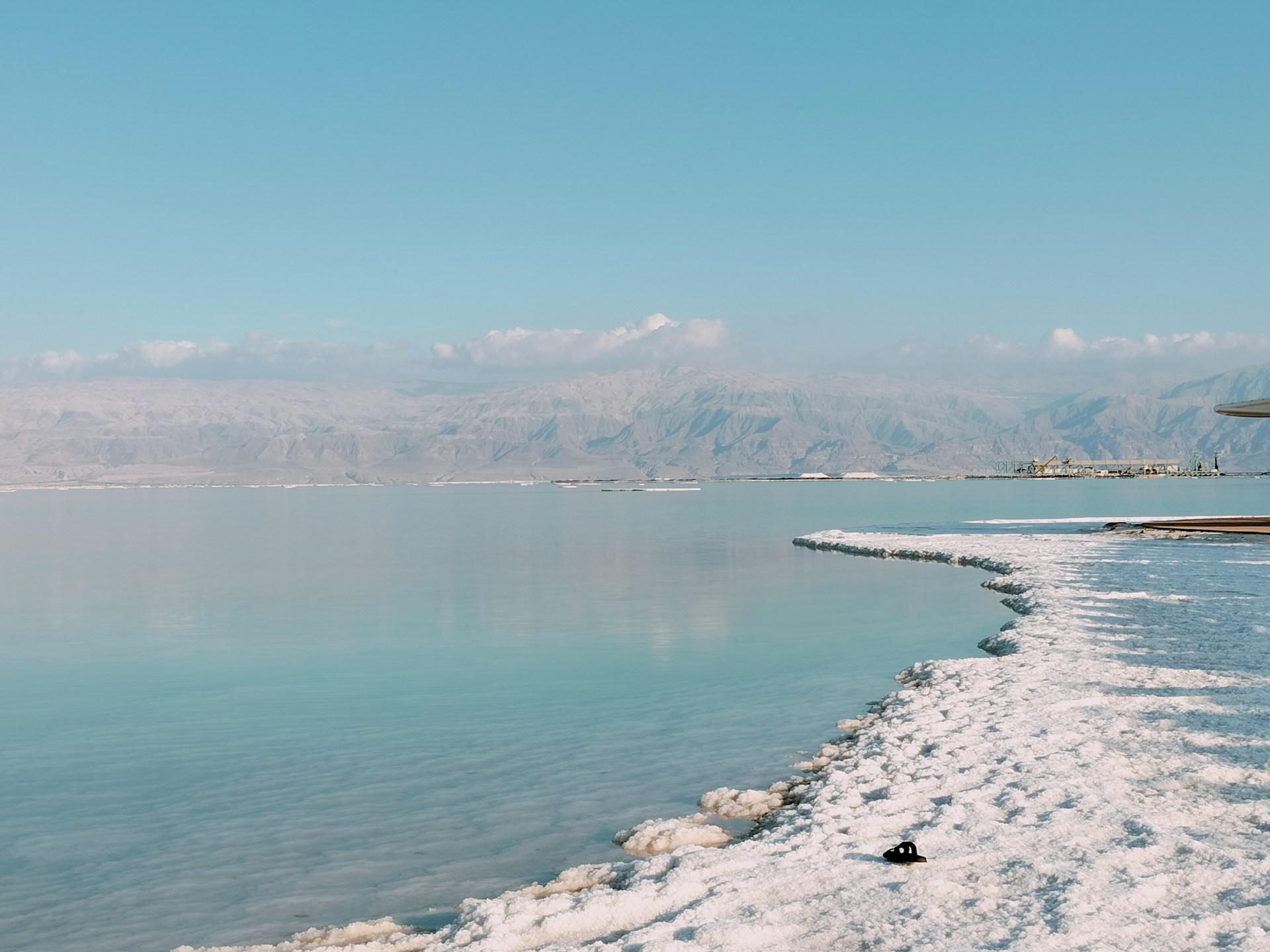
And here’s why sea salt is especially tricky: unlike synthetic ingredients that can be produced on demand, sea salt depends on weather, geography, and time. Lots of time. When supply chains crack, you can’t just make more salt appear overnight.
Takeaway: Sea salt is uniquely exposed because nature controls the timeline.
Sea Salt Supply: Simple Ingredient, Complex Reality
The numbers back it up.
The global sea salt market hit $19.7 billion in 2023 and is projected to reach $27.8 billion by 2032.
That’s massive growth for an ingredient with a limited natural supply cycle.
Think about it: demand is exploding (especially for low-sodium sea salt, growing nearly 7% a year), but supply isn’t keeping up. Traditional sea salt production:
- Takes months to harvest
- Requires specific geographic conditions
- Is at the mercy of increasingly unpredictable weather
Add geopolitical tensions and export bans, and a “safe” ingredient quickly turns into a procurement headache.
Takeaway: Demand is rising fast, but production can’t simply scale with it.
The Real Cost When Supply Chains Fail
When your sea salt supplier drops the ball, the fallout goes way beyond the ingredient itself:
- Launch delays: Every week of delay can cost hundreds of thousands in lost sales and wasted marketing.
- Emergency sourcing: Rushed suppliers mean higher costs for lower-quality or unreliable salt.
- Operational chaos: Production schedules slip. R&D pivots. Compliance paperwork piles up.
- Brand damage: Customers lose trust when quality or availability shifts.
- Regulatory delays: Ingredient swaps can trigger compliance reviews and approval bottlenecks.
Takeaway: One bad supply chain break can ripple through every part of your business.
Why Most Supplier Strategies Fall Apart
Here’s the uncomfortable truth: most supplier models weren’t built for today’s volatility.
Sea salt suppliers, in particular, often rely on outdated assumptions:
- Seasonal dependency: One late rainy season can wipe out months of supply.
- Single-region sourcing: A local disruption can eliminate your entire supply.
- Thin inventory: With no buffer stock, everything runs on razor-thin margins.
- Reactive communication: You hear about problems after they happen.
And if you’re running a Just-in-Time procurement model, the risks multiply. One missed shipment and production halts. With no buffer, you’re stuck paying more, waiting longer, or both.
Takeaway: Outdated supply models + Just-in-Time = guaranteed vulnerability.
The TEKPAK Difference: Built for Resilience
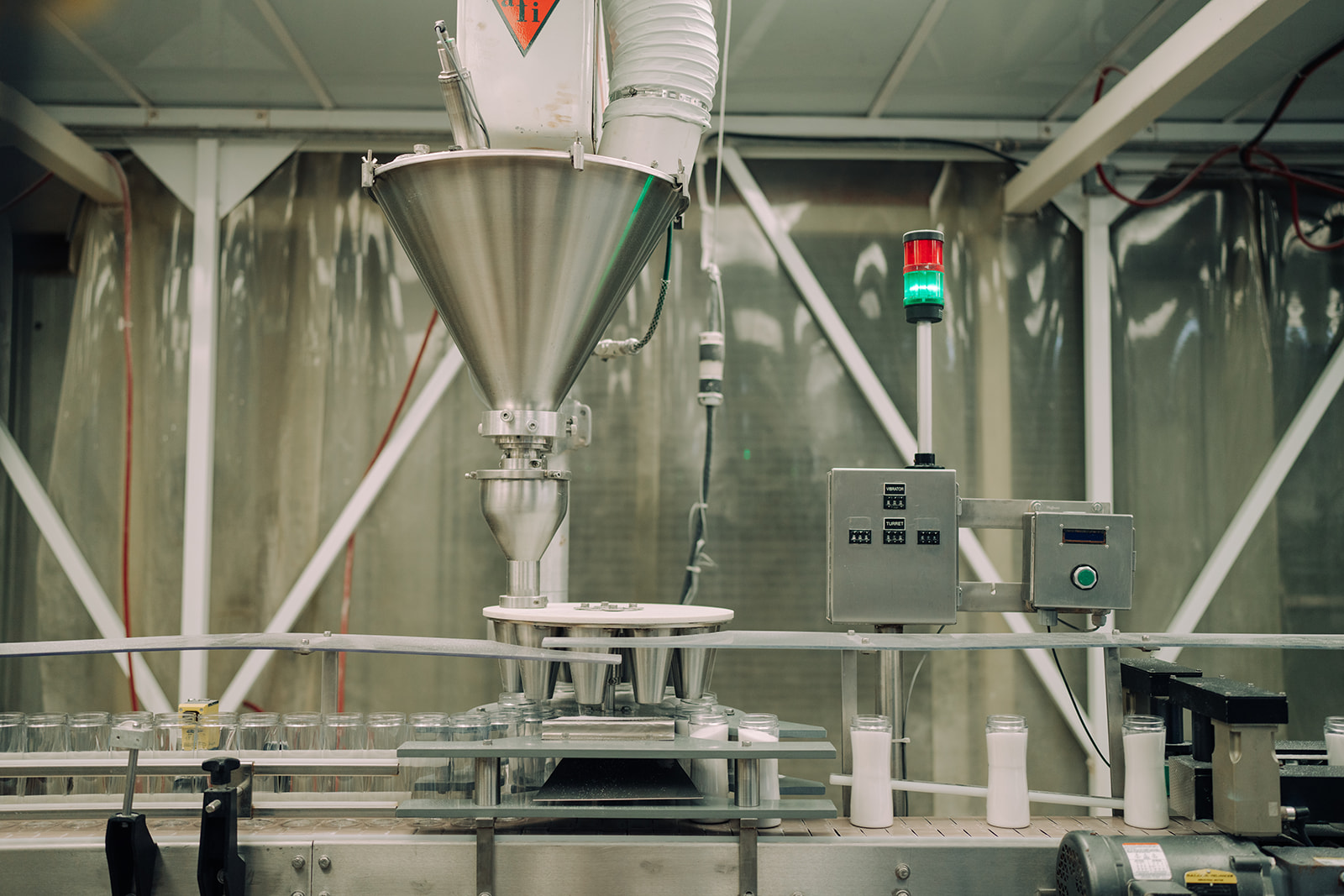
At TEKPAK, we designed our sourcing model for this exact reality — so our customers don’t have to scramble.
Here’s how we keep supply moving when others stall:
- Season-proof sourcing: One origin with deep, weather-proof reserves that keeps production steady year-round.
- North American inventory: Significant stock warehoused domestically for faster turnaround.
- Strategic stockpiling: We hold buffer inventory to protect large runs and tight launches.
- Proactive communication: Forecasting, disruption alerts, and early planning.
- Sodium reduction expertise: Proven support for R&D teams navigating labeling and compliance, including guidance aligned with health-forward sodium reduction strategies and delivered through custom blending solutions .
Takeaway: Resilience isn’t an afterthought here — it’s baked into the TekPak model.
How to Build Supply Chain Resilience
Smart procurement leaders are shifting from cost-optimization to resilience-optimization. Here’s what that looks like:
- Demand transparency: Ask: Where’s your salt sourced? How much buffer stock do you hold? What’s your backup plan?
- Plan for problems: Pad your timelines. Don’t count on last-minute arrivals. Lock in supply early when reformulating.
- Choose relationships over price: The cheapest supplier may cost you most in delays.
- Evaluate communication: A real partner warns you before there’s a problem, not after.
Takeaway: Procurement resilience comes from planning, not reacting.
The Bottom Line: Reliability as Competitive Advantage
Roughly 30% of food produced globally is lost or wasted somewhere along the supply chain. That’s the backdrop every procurement team operates in.
The companies that thrive won’t be the ones paying the lowest ingredient costs — they’ll be the ones with supply chains that bend but don’t break.
So while your competitors wrestle with delays, shortages, and emergency sourcing, you’ll be hitting timelines, meeting demand, and protecting your brand.
Takeaway: Reliability isn’t just resilience — it’s a competitive edge.
Concerned about sea salt availability or upcoming production timelines? Let’s talk. We’ll review your sourcing strategy, discuss inventory planning, and explore reliable Dead Sea salt solutions built for long-term stability.