
You're evaluating a new sea salt supplier, and one of the first things you ask for is food safety documentation. A few hours later, a PDF lands in your inbox with an AA rating at the top.
That looks promising, and it's tempting to treat the question as settled. It isn't, at least not yet.
Plenty of procurement and quality teams treat an audit grade as the whole supplier evaluation when it's really just one piece of it. A strong score tells you a lot about how a supplier runs its food safety program, but it leaves some important questions unanswered.
A few of the problems most likely to derail your production schedule or retailer commitments never show up on an audit report at all.
The best supplier decisions come from understanding both what a score covers and what it quietly leaves out.
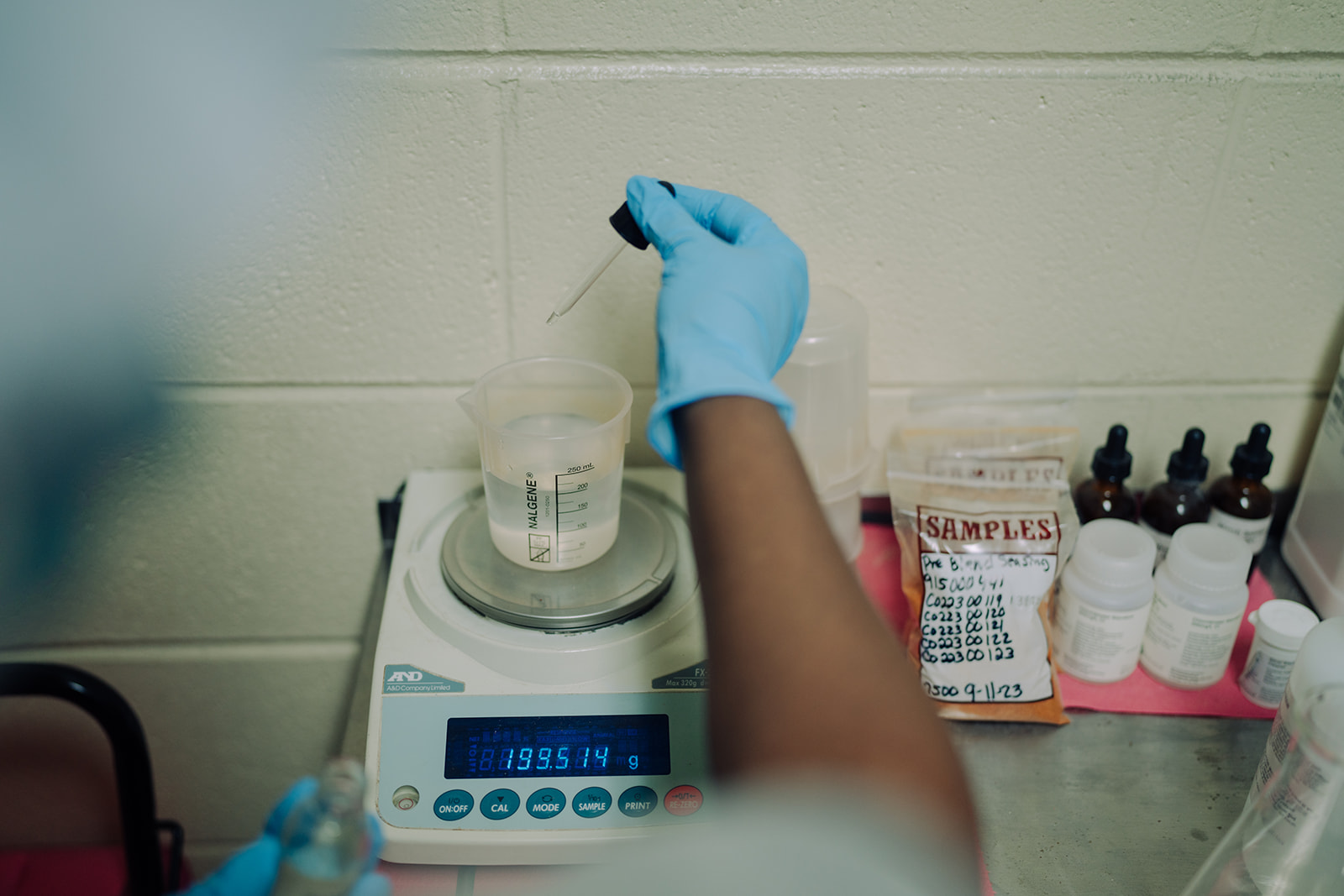
Independent testing is what turns a supplier's claims into verified results at TEKPAK's Marion, AL facility.
Why Audit Scores Matter in the First Place
Before we get into the limitations, these certifications clearly matter. For food manufacturers, supplier audits help:
- Qualify new vendors
- Satisfy retailer requirements
- Lower food safety risk
- Demonstrate due diligence
That's why audit documentation is usually one of the first things procurement, QA, and R&D teams request when evaluating a new supplier.
A solid score gives you independent verification that a supplier has built systems to protect product quality and safety, instead of asking you to take their word for it. The trick is knowing exactly what that information includes.
A Quick Primer on BRCGS
Most food manufacturers know BRCGS, but not everyone spends their week reading audit reports. Here are the basics.
Audits are not government inspections. The FDA and USDA inspect facilities to verify compliance with federal regulations.
Audits are different. They're conducted by accredited third-party certification bodies, often because customers require suppliers to maintain specific certifications.
BRCGS grades facilities based on the number and severity of findings, using a scale that ranges from:
- AA
- A
- B
- C
- D
Some facilities also pursue unannounced audits, which can result in an AA+ rating.
The important takeaway: a score reflects how well a supplier's food safety system met the standard on the day of the audit. That's a real measurement, and a very specific one.
What an Audit Score Does Tell You
A few things come through clearly in a strong score.
Independent Verification
The supplier has been evaluated by someone other than themselves. You're seeing an outside assessment against a recognized standard, not a line pulled from a sales presentation.
Documented Systems
High scores usually point to working controls around:
- HACCP
- Traceability
- Supplier management
- Sanitation
- Training
- Corrective actions
The audit doesn't guarantee perfection, but it does suggest the supplier has invested in systems designed to reduce risk.

Documented systems in action: samples staged and logged for quality-control testing at TEKPAK's Marion, AL facility.
Severity Matters More Than the Letter Grade
This gets overlooked surprisingly often. Auditors classify findings as:
- Critical
- Major
- Minor
A few minor findings at a top-rated facility are normal and not a reason to walk away.
The findings worth paying attention to are major and critical non-conformities. That's where meaningful risk starts to emerge.
Commitment to Food Safety
Taken together, a strong score usually indicates that management takes food safety seriously and allocates resources to maintaining standards. That's meaningful.
It's also where the audit's usefulness starts to run out, because some of the things that matter most in a supplier relationship never appear on the report.
What an Audit Score Doesn't Tell You
It's One Day, Not a Track Record
An audit is a snapshot. It won't tell you:
- Whether the supplier has performed this well for years
- Whether previous audits looked similar
- Whether improvements happened only shortly before the audit
A useful follow-up question is simple: can you share your last two or three years of audit results?
Consistency over time often tells a more complete story than any single score.
It Doesn't Tell You What Happens When Something Goes Wrong
This may be the biggest blind spot. Every facility runs into trouble eventually. Equipment fails, shipments get delayed, production deviations happen.
What sets suppliers apart is how quickly they let you know when it does.
Plenty of supplier relationships fall apart not because of the original problem but because nobody communicated it early enough.
A quality issue becomes a scheduling issue. A scheduling issue becomes a missed retailer date. A missed retailer date becomes a revenue problem.
A score says nothing about whether your supplier flags trouble immediately or stays quiet and hopes it sorts itself out.
It Doesn't Tell You Whether They'll Actually Have Product Available
This one hits especially hard in sea salt, where availability problems are a frequent reason buyers start looking elsewhere. A supplier can have a spotless audit history and still leave you short because of:
- Inventory gaps
- Long lead times
- Production constraints
- Supply disruptions
A clean certificate doesn't keep your line running. Steady supply does.
It Doesn't Tell You How Easy They Are to Reach
When you need a COA, an updated specification, a certification document, or a quality contact, how quickly does your supplier respond? Can you get someone in QA on the phone? Can you reach leadership when needed?
None of that appears on the certificate, yet those answers often determine whether working together feels smooth or frustrating.
It Doesn't Tell You the Scope, or Whether It's Current
Not every certification covers the same things. When reviewing an audit, confirm:
- Which facility was audited
- Which product categories are covered
- Which version of the standard was used
This becomes especially important when a supplier operates multiple facilities.
It's also worth checking the date. An expired certificate, or one issued against an outdated version of the standard, deserves a question rather than a shrug.

A real food safety culture shows on the floor every day, not just during audit week, at TEKPAK's Marion, AL facility.
It Doesn't Measure Food Safety Culture
This is one of the hardest things to evaluate from the outside. It's also one of the most important.
A facility can prepare for an audit. A real food safety culture operates every day. You typically see it in:
- Documentation that's easy to access
- Problems raised before they become bigger problems
- Fast corrective actions
- Employees who take ownership
- Continuous improvement efforts
Audit week shows you a prepared version of a supplier. The other 51 weeks show you the real one.
Questions Worth Asking Beyond the Certificate
When you're qualifying a sea salt supplier, the certificate is a starting point. These questions help fill in the rest of the picture.
Audit & Compliance
- What grade did you receive?
- Was the audit announced or unannounced?
- What standard and version was used?
- Were any findings major or critical?
Audit History
- Can you share the last two or three years of audit results?
- Have scores remained consistent?
Supply Reliability
- What inventory do you keep on hand?
- What are your normal lead times?
- How do you handle demand spikes?
Communication
- Who is my primary quality contact?
- How are quality issues communicated?
- How quickly can I obtain documentation?
Risk Management
- If a production issue affects my order, how quickly would I be notified?
- What corrective action process do you follow?
The Bottom Line
A food safety audit score is one of the most useful documents you'll review when qualifying a supplier. It's also exactly that: one document.
The strongest suppliers combine:
- Strong audit performance
- Reliable supply
- Open communication
- Responsive support
- A genuine food safety culture
The certificate can earn a supplier a spot on your shortlist. The answers to everything around it determine whether they've earned your business.
Qualifying a new sea salt supplier? The certificate is just the start. Talk to TEKPAK about audit history, supply reliability, and how quickly you can reach a real quality contact.