
Nobody sends a breakup email to their salt supplier on a Tuesday morning because they woke up feeling bold. That's not how it works.
What actually happens is subtler. The shipment that was supposed to arrive last week shows up four days late — again. The rep you used to reach by phone now takes 48 hours to return an email. The price hold you were promised in Q4 didn't survive into Q1.
None of these, by themselves, would push you to make a change. But stacked on top of each other over 12 or 18 months, they shift the math in a way that's hard to ignore.
In 2026, food manufacturers aren't abandoning traditional salt suppliers for better pricing or trendier ingredients; they're doing it because the operational risk of staying has finally outweighed the risk of switching.
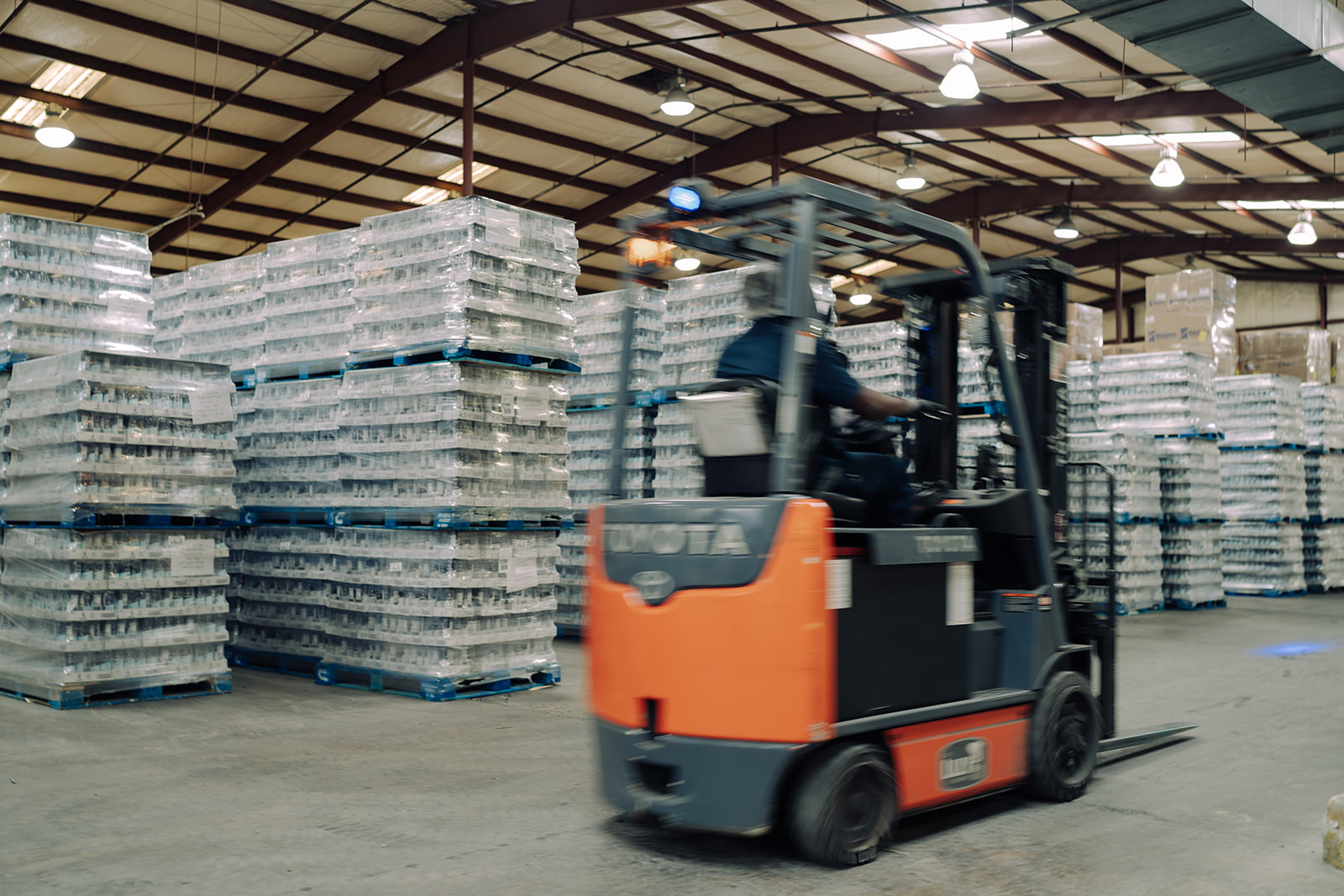
TEKPAK's warehousing operations at the Marion, AL facility — domestic inventory depth is what keeps deliveries predictable.
The Tolerance Threshold
For years, procurement teams absorbed supplier inconsistency because the alternatives felt worse. Switching meant risk, paperwork, and unknowns. So you adapted, built workarounds, and made it work.
Three things have made that harder to sustain.
First, retailer penalties got sharper. Major retailers enforce strict delivery windows, and the financial consequences for missing them are real. Chargebacks often range from 1% to 5% of a supplier's gross invoice amount. Walmart's On-Time In-Full program, for example, charges 3% of item value for late or missing deliveries. When your salt supplier's inconsistency becomes your chargeback, "good enough" has a dollar amount attached to it.
Second, sodium reduction pressure tightened the margin for error. The FDA issued Phase I voluntary sodium reduction targets in 2021 and followed with Phase II draft targets in 2024, pushing the industry toward an average intake of 2,750 mg per day — roughly 20% below pre-2021 levels. In 2026, the FDA is expected to evaluate Phase I progress and move closer to finalizing Phase II targets. For manufacturers reformulating to meet these goals, the spec matters more than it used to. And the supplier who can consistently meet that spec matters more too.
Third, trade policy added friction. Added sourcing complexity — from tariffs, freight volatility, or changing import economics — introduced variables teams didn't previously have to manage. Procurement teams that were already managing tight margins found themselves navigating one more variable they didn't ask for. Even manufacturers not directly affected are feeling the ripple effects through rising costs across the supply chain.
Any one of these alone might not force a decision. Together, they've compressed the margin for error to a point where supplier problems that used to be tolerable now carry real consequences. The procurement manager who could absorb a late shipment in 2022 without blinking is now looking at a chargeback, a reformulation deadline, and a tighter ingredient budget — all at the same time.
The Workaround Tax
Procurement teams are good at adapting. Sometimes too good. Over time, the workarounds start to look like business as usual.
You order three weeks early because you've learned your supplier runs behind schedule. You keep extra safety stock that ties up warehouse space and working capital because you're not confident the next shipment will land on time. You spend hours each month chasing delivery confirmations that should be automatic. You run backup sourcing calls every quarter, just in case.
These aren't minor inconveniences. They're operational overhead, and they're coming out of your team's time and your company's budget. Every workaround is a subsidy you're paying your current supplier to underperform. The hours your team spends managing unreliable deliveries are hours they're not spending on strategic sourcing, cost reduction, or new product development.
Most teams don't add it up because the costs don't show up on a single line item. They're spread across extra inventory carrying costs, staff time, expedited freight charges, and the occasional retailer penalty. But once you name it — once you actually tally what "managing" an unreliable supplier costs your operation each quarter — you can't un-see it.
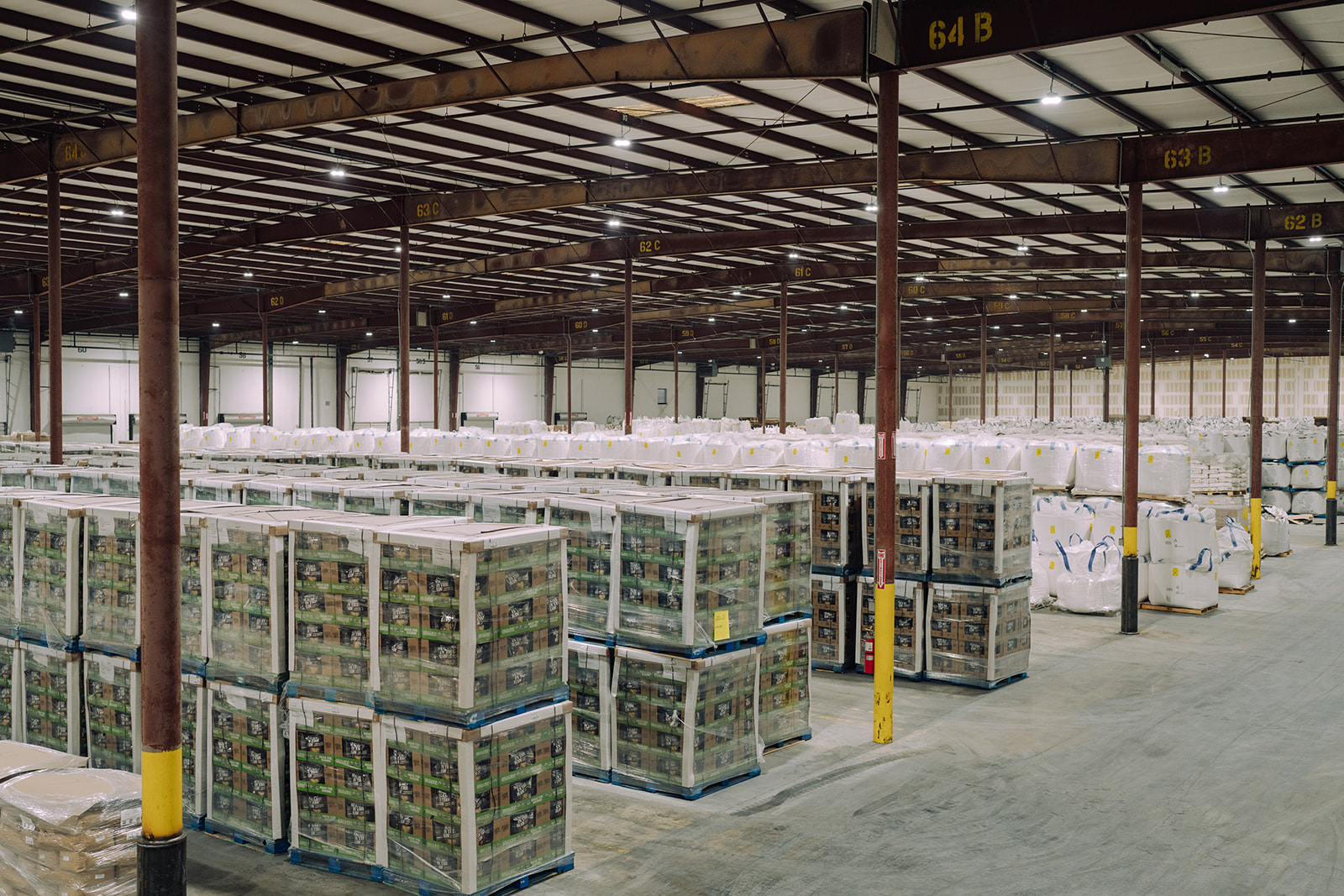
Buffer inventory warehoused at TEKPAK's Marion, AL facility reduces the day-to-day workarounds that unreliable supply forces onto procurement teams.
When Staying Becomes the Gamble
Most procurement decisions treat switching as the risk and staying as the safe bet. That framing made sense when supplier problems were rare and recoverable.
For a growing number of manufacturers in 2026, that framing is backwards. When missed deliveries, slower responses, and availability issues start affecting production, staying with the same supplier adds risk rather than reducing it.
The risk didn't change overnight. It accumulated slowly, one workaround at a time, until the math no longer worked. The teams that recognized that early were able to move forward deliberately rather than reactively.
What the Early Movers Figured Out
The manufacturers who've already made the switch share a few patterns worth noting.
They didn't switch to cheaper suppliers. They switched to more communicative ones. The deciding factor wasn't price or even product quality in most cases. It was operational reliability: consistent availability, responsive contacts, and the ability to get a straight answer without leaving three voicemails.
They stopped evaluating their supplier on the product alone and started evaluating them on the total cost of the relationship. That includes the workarounds, the safety stock, the chasing, and the risk exposure. When they did that math honestly, the decision clarified itself.
And they found that the switching process itself was less disruptive than they feared. The pain of change, it turns out, was mostly anticipatory. The disruption they spent years avoiding turned out to be smaller than the disruption they'd been living with.
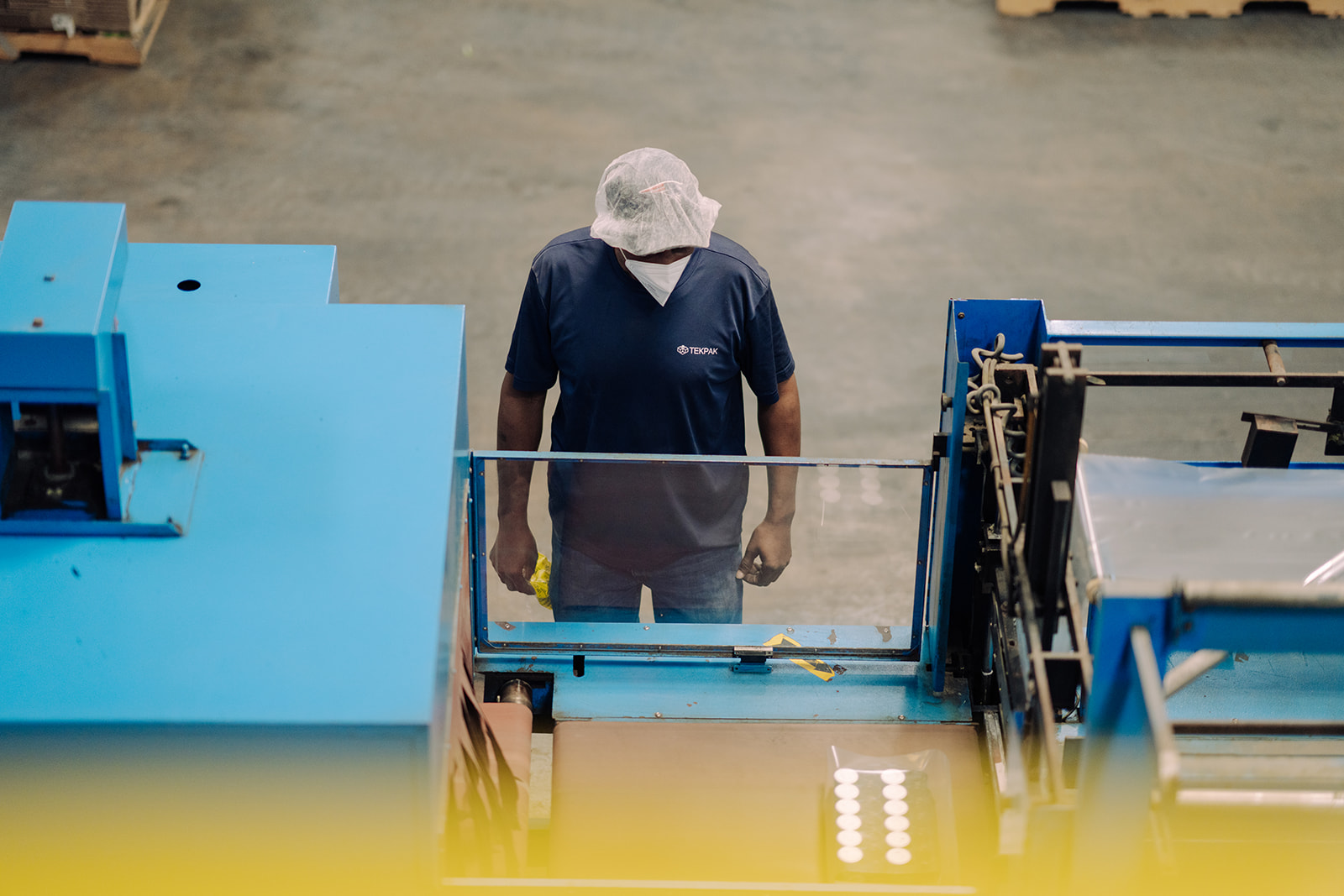
Responsive, communicative support at TEKPAK's Marion, AL facility — the factor early movers cite most often.
The Question Worth Asking
If you took all the hours your team spends managing around your current supplier's inconsistencies and redirected them toward something strategic, what would that be worth?
That's the real cost of staying. And in 2026, more manufacturers are doing that math.
Wondering what your current supplier is really costing you? TEKPAK works with procurement and QA teams to pressure-test sourcing, confirm specs, and map a low-risk transition that protects your production calendar. Explore TEKPAK's sea salt supply or start a conversation.