
This article was originally published on September 21, 2024 and was updated on August 3, 2026 for accuracy and completeness.
The FDA has been pushing sodium out of the American food supply since 2021, and the pressure has not let up. Two things have changed since then, and they pull in different directions for a food brand. The agency's sodium reduction targets got tougher, but they are still voluntary. At the same time, a separate rule quietly made sodium a gatekeeper for one of the most valuable words on a package: "healthy."
If you make or sell packaged food, it helps to keep those two things straight. One is a goal the FDA is asking you to hit. The other is a line you have to stay under to make a specific claim.
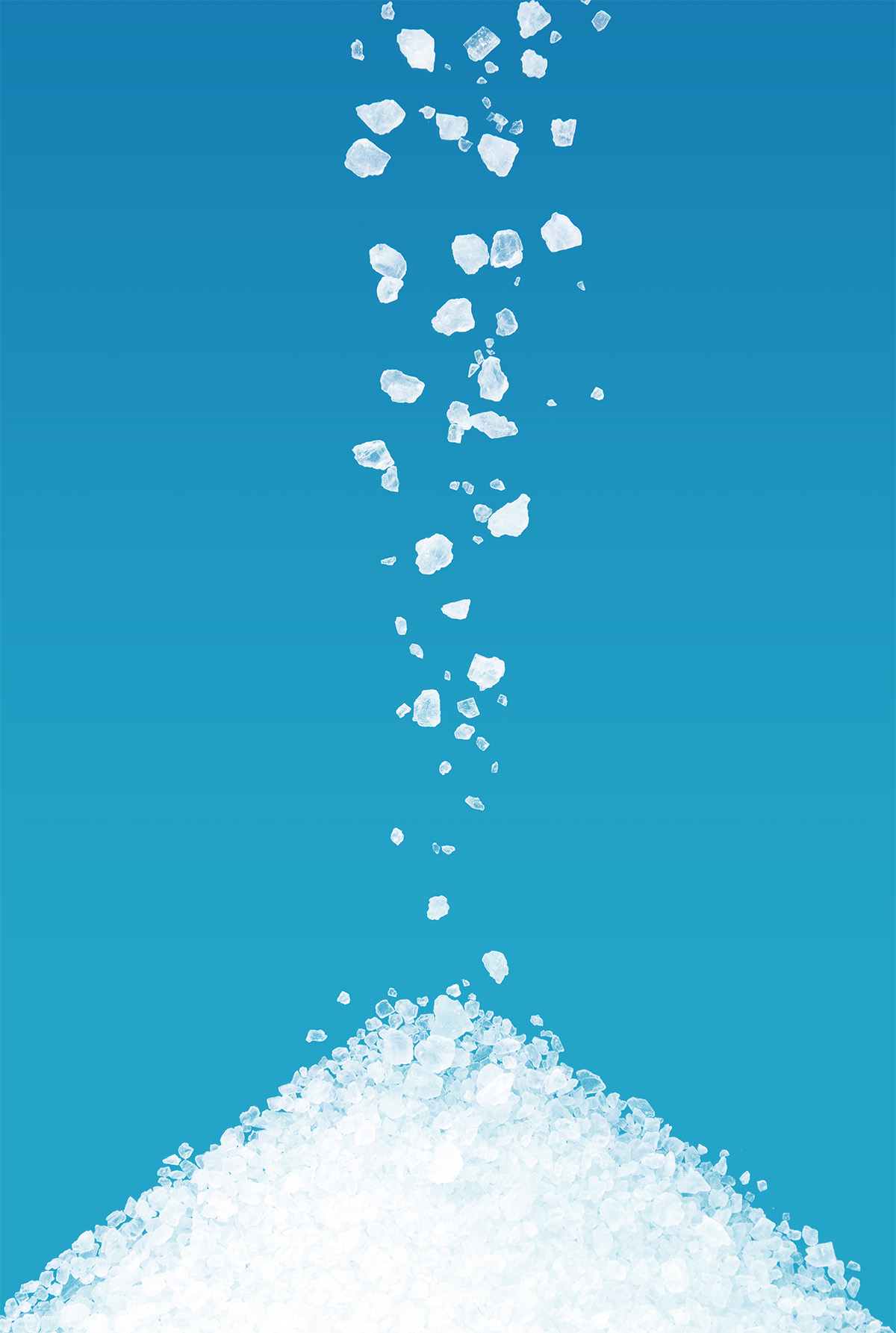
Sodium reduction rarely means removing salt outright. It usually means replacing part of it.
Where FDA sodium guidance stands now
In 2021 the FDA issued its first set of voluntary sodium reduction goals, covering about 163 food categories across packaged and restaurant foods. In August 2024 it followed with a second, deeper round, often called Phase II or Edition 2. That draft asks for further cuts across roughly the same categories over about three years.
The key word is still draft. As of 2026, Phase II has not been finalized, and every target in it is voluntary. Nothing in this guidance forces you to reformulate. What it does is signal direction, and the direction has been consistent for years: less sodium, across more of the shelf.
The targets are voluntary. The trend is not. Average U.S. sodium intake sits around 3,400 mg a day. FDA's near-term step aims to move that toward roughly 2,750 mg, still above the 2,300 mg daily limit health authorities recommend. Reformulation is being asked for now so it does not have to be required later.
By FDA's 2010 to 2022 preliminary assessment, 40% of food categories had already achieved the Phase I sodium targets or were within 10% of meeting them. In other words, a large part of the industry is treating these targets as a floor to clear, not a suggestion to ignore.
What it means for your label
Here is the part that is easy to miss. The voluntary targets do not change your label on their own. The rule that actually connects sodium to a claim is the FDA's updated definition of "healthy."
The FDA finalized that rule in December 2024. It took effect in April 2025, and manufacturers have about three years, to 2028, to comply. Under the new definition, a product can only carry a "healthy" claim if it contains a meaningful amount of a real food group and stays under set limits for saturated fat, added sugars, and sodium.
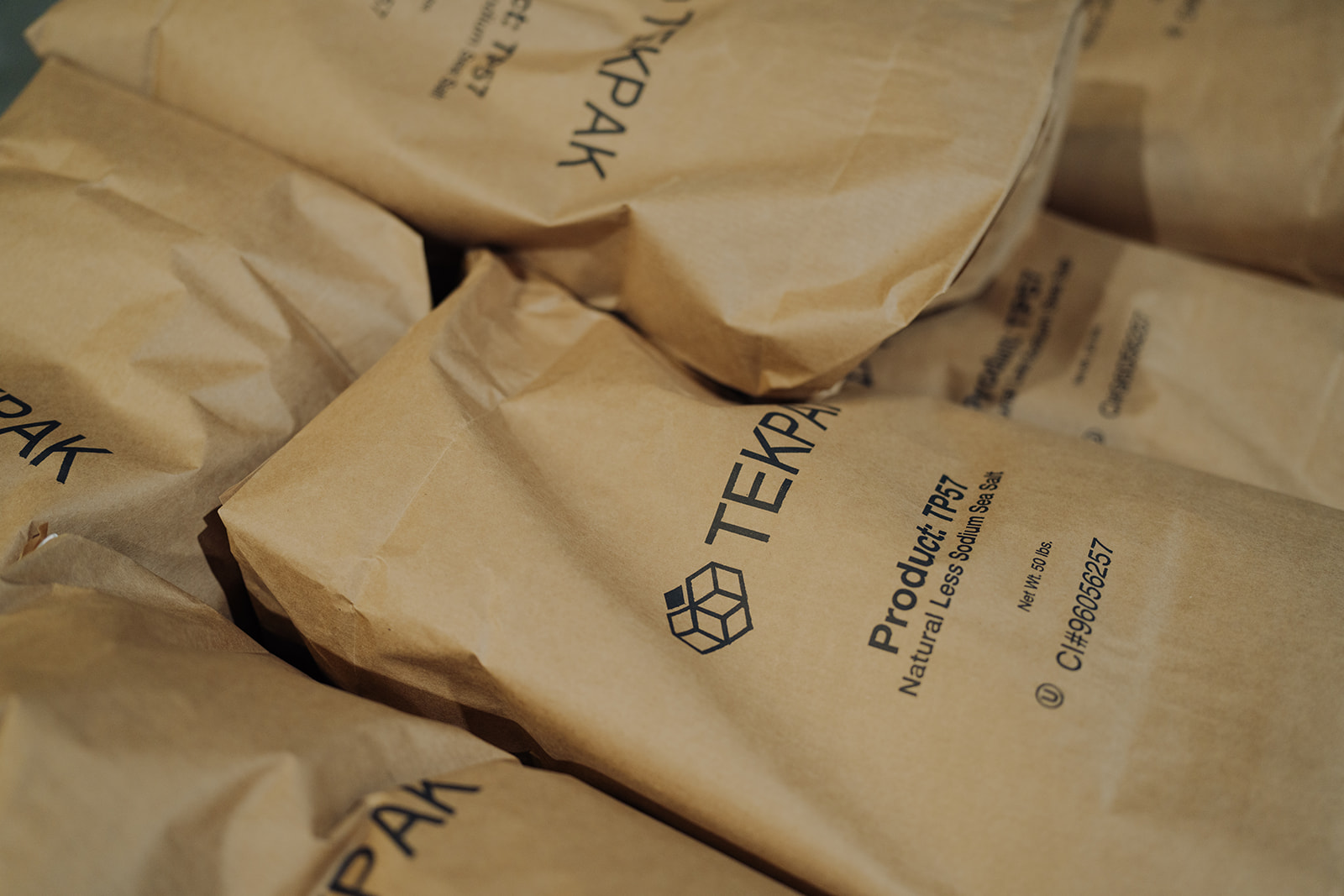
Sea-derived potassium chloride lets many brands keep a simple "sea salt" label. Shown at TEKPAK's Marion, AL facility.
The sodium limit is the one that catches formulators off guard. For most individual foods, "healthy" now means no more than about 10% of the Daily Value for sodium per serving, which is roughly 230 mg. Main dishes and full meals get higher allowances, but the principle is the same: too much sodium and the claim is off the table. So sodium is no longer just a voluntary target. For any brand that wants to say "healthy" on the front of the pack, it is now a hard line.
One labeling point works in your favor. When your reduced sodium blend uses potassium chloride that is sea-derived, many brands can still label the finished product simply as "sea salt." You cut sodium without adding a chemical-sounding name to the ingredient statement.
How to replace table salt without losing taste
Cutting sodium sounds like it should hurt flavor, and done carelessly it does. The practical answer is rarely to remove salt outright. It is to replace part of it and rebuild flavor around the gap.
- Swap in potassium chloride. Food-grade potassium chloride carries a clean salty taste with zero sodium, so replacing a portion of the salt in a formula lowers sodium without a full reformulation.
- Use a sea salt and KCl blend. A reduced sodium sea salt blend balances the two, keeping the taste profile close to standard salt while hitting a lower sodium number.
- Rebuild flavor with aromatics. Herbs, spices, umami sources, and acid can carry a lot of the perceived seasoning that sodium used to do, which lets you take the salt down further without the product tasting flat.
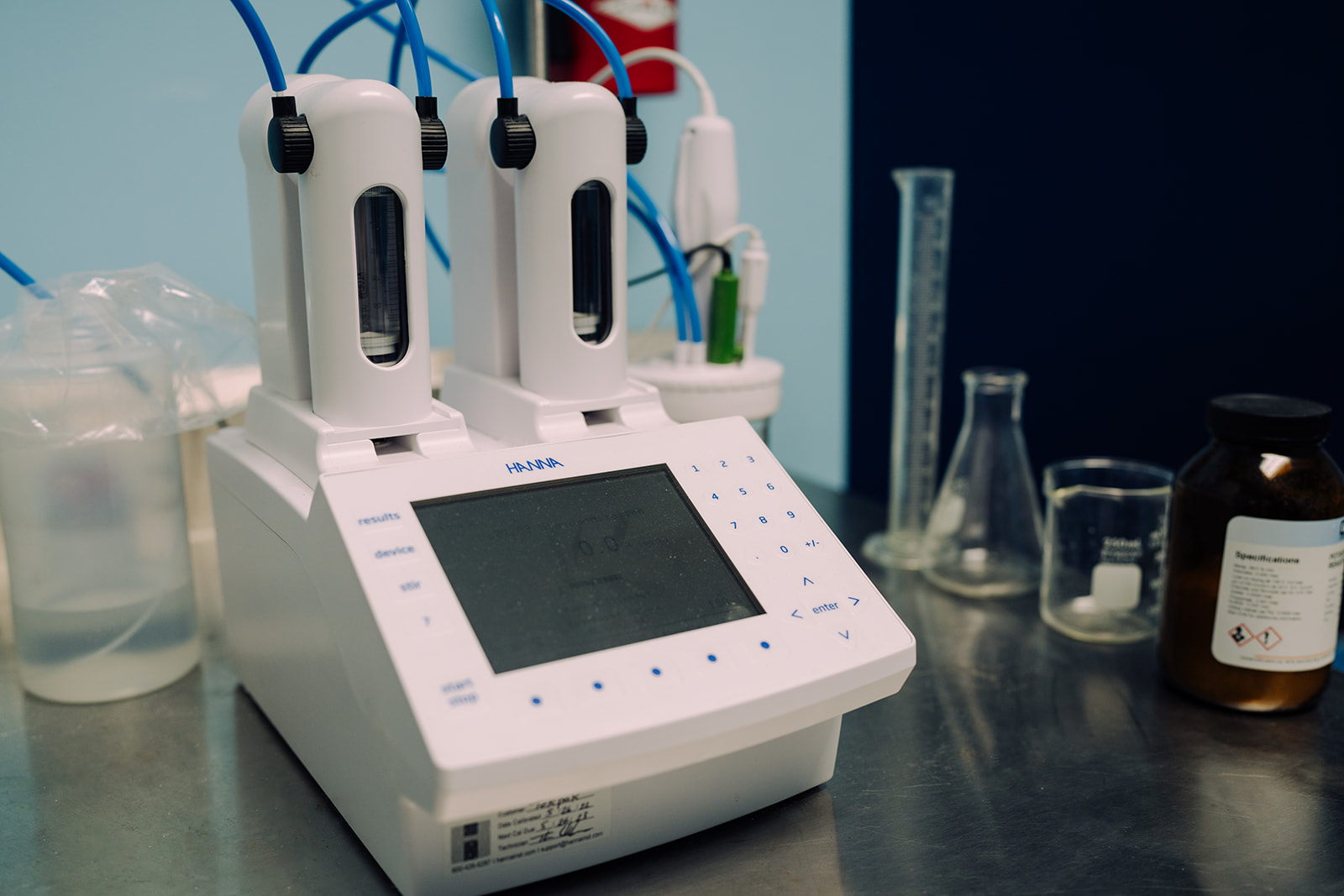
Custom blend quality control at TEKPAK's Marion, AL facility.
The right mix depends on your product, your sodium target, and how far you can push before taste or function suffers. That is a formulation conversation, not a one-size answer.
Working on a sodium target or a "healthy" reformulation? TEKPAK supplies sea-derived sea salt, food-grade potassium chloride, and custom reduced sodium blends built to your spec. Tell us your target and application and we will match a solution.
Frequently asked questions
How can table salt be replaced for better health?
The most reliable approach is to replace part of the salt rather than remove it. Food-grade potassium chloride swaps in for a portion of the sodium chloride with zero sodium and a clean salty taste, and a sea salt and potassium chloride blend keeps the flavor close to standard salt. Herbs, spices, and umami sources then carry the rest of the seasoning, so the product tastes seasoned rather than flat.
How do FDA sodium guidelines affect food labeling?
FDA's voluntary sodium reduction targets do not change your label by themselves. The rule that ties sodium to a claim is the updated definition of "healthy," finalized in December 2024 with compliance required by 2028. To use "healthy," most individual foods must stay under roughly 10% of the Daily Value for sodium per serving, about 230 mg. Separately, when a reduced sodium blend uses sea-derived potassium chloride, many brands can still label the product as "sea salt."